After years of debate, Washington state regulators have adopted new clean-water rules on Monday, that tied partly to how much fish people eat.
Now it's up to the U.S. Environmental Protection Agency, that stepped in last fall to write its own rules for the state to decide whether the plan would work enough.
State Ecology Director Maia Bellon said in a statement,"We believe our new rule is strong, yet reasonable. It sets standards that are protective and achievable,"
She noted that the EPA has indicated states to write their own rules and she believed that Washington's proposal could be approved by the federal agency.
A message to an EPA spokesman in Seattle had not immediately returned on Monday.
Federal law required rivers and other bodies of water to be cleaned enough so people can safely swim and eat fish from those sources. The rules set limits on pollutants that factories, wastewater treatment plants and other industrial facilities discharge into state waters.
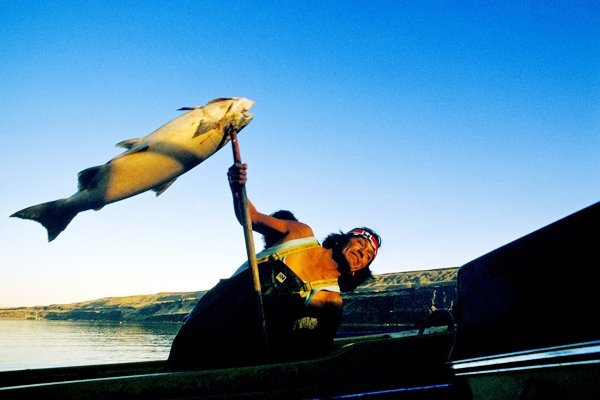
The new state rules dramatically raised the current fish-consumption rate to 175 grams per day, which would protect people who eat about a serving of fish a day.
Tribes and environmental groups had pushed for more rules to reduce water pollution and protect the people who mostly eat fish. Cities and businesses have informed that the technology is not available to meet stricter rules, and it could cost billions of dollars without any benefit to the environment.
The ecology department has made several attempts indrafting new rules since 2011 and missed its own deadlines.
Jay Inslee has tried to balance the interests of tribes and environmental groups with those of businesses, cities and others as he planned to handle this the issue.
Lorraine Loomis, chairwoman of the Northwest Indian Fisheries Commission, which represents 20 tribes in western Washington said, "The tribes expect EPA to hold Washington's proposed standards accountable to the bar they have already established.”
By Prakriti Neogi